
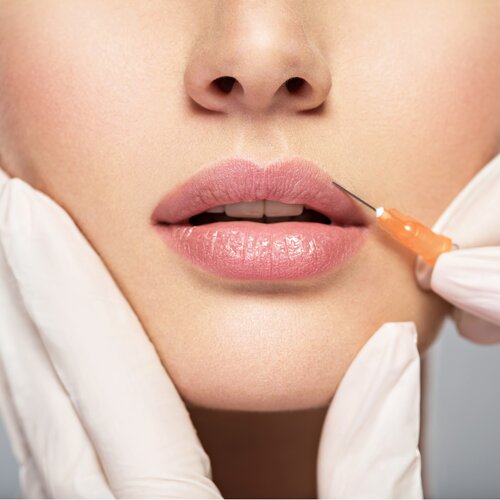

It seems like just about everyone has lip fillers today. Long gone are the days where celebrities and the elite were the key recipients of cosmetic procedures. Thanks to social media and cosmetic clinics popping up around every corner, competition amongst businesses have become more fierce with clinics offering promotions and deals year-round. Consumers have more options than ever and more incentive to go and “rejuvenate” themselves.
Social media has been an obvious force influencing men and women to get a little work done. Gone are the days where admitting to having a procedure was taboo and shameful. Many people openly admit to getting work done, creating a culture of acceptance. With many people sharing their cosmetic journeys on public platforms (just look up ‘lip filler experience’ on YouTube), others become inspired to try the same. After all, the results aren’t permanent. So, why not?
Australians particularly love their cosmetic procedures, so much so that they’ve taken over as the country with the most cosmetic operations per capita, beating America. In 2018 alone, there were 500,000 cosmetic procedures performed, amounting to A$1 billion spent. The most popular procedure was anti-wrinkle injections followed very closely by dermal filler. Ultimately, Australians aren’t looking to make drastic changes. They’re looking to enhance and preserve their natural features and be their best selves.
Unfortunately, there have also been drawbacks from such an explosion of procedures and clinics. There has been a rise in the reported cases of blindness resulting from incorrectly administered injections. There have been 200 cases of blindness. This is a 94% global increase. As a result, Australia’s leading professional body for cosmetic medicine and surgery, the Australian Society of Plastic Surgeons, have begun issuing warning to the public, calling on them to do their research. Clinics that offer a more competitive rate may not have sufficiently trained or qualified staff. And unfortunately, due to more competitive offers, people are shopping based on price rather than safety. If you’re considering getting fillers, always consider the experience of the injector and book a consult to discuss concerns.
On top of going to a trust-worthy clinic and consulting with an experienced injector, it is important to understand how your procedure will be performed, what to expect afterwards, and how to manage the aftercare of your new lips (or cheeks, or chin, or jaw, or face altogether). To guide you on how to best prepare for your treatment, read through our comprehensive guide on dermal filler aftercare.

WHAT ARE DERMAL FILLERS
Dermal fillers, or cosmetic injectables, are injections of hyaluronic acid or other substances that are deposited under the skin to enhance features and “fill” fine lines and wrinkles. Other than hyaluronic acid, other substances commonly used as dermal filler include collagen, polylactic acid, polyacrylamide, and fat injections. Not all clinics will offer these options, however. Most will have hyaluronic acid-based formulas. This is because hyaluronic acid is naturally formed in the skin, and therefore easily dissolves into the skin over time. Most cosmetic injectors indicate that results from dermal fillers last from six to 18 months, depending on how quickly the body dissolves the fillers, which can be different for everyone. To maintain results, it is recommended that you get a ‘top-up’ after 4 to 6 months. After a couple of top-ups, you should see results starting to last longer. This does mean that you’re going to have to invest a bit more money initially to maintain results, but after your first few treatments, your top-ups will be more spread out.
If you are thinking of getting dermal fillers, it is important to discuss any health concerns with your injector. There are some health conditions which may increase your risk of an adverse reaction. Dermal fillers might not be suitable for you if you have an autoimmune disease, a history of keloid scarring, inflamed or infected skin, severe allergies, asthma, or have ever had anaphylaxis. Although the most common brands of dermal filler are vegan-friendly, there are still some that come from animal-based sources. Again, an experienced, knowledgeable injector will be able to inform you of any animal and non-animal based dermal fillers to help guide your decision.
The price of the procedure also depends on the amount of filler used. On average, you may spend $400-$600 per mL, depending on the clinic, the area you are wanting to fill in, and the type of filler used. For lips, you may only need 1 mL; however, for larger areas, such as your cheeks or jaw, you will need upwards of 2 mL.
WHAT’S THE PROCEDURE LIKE?
As mentioned, there are many documented procedures on YouTube that can show you an accurate depiction of what getting filler is like; however, if you’re a bit squeamish and would like to avoid the graphic content, then read on to get an understanding of how your procedure might be carried out.
Firstly, before any type of treatment is administered, you will have a consultation with your cosmetic injector. They will be able to assess the area of your face you are wanting to enhance and recommend the type of filler most appropriate for your desired result. They will also suggest how much filler should be injected. At this stage, you can discuss any concerns with them. To ensure you are a suitable candidate for the procedure, they will go through your medical history with you. Also, so that you can see the difference resulting from your procedure, they will take a before and after picture of your face or facial area.
Before the filler is injected, the facial area will be cleaned and numbed with a topical numbing cream. The numbing cream should be left on for 15 minutes to sink-in sufficiently. Then, after cleaning the area once again, the filler is applied. The filler will be injected with precision and using various techniques to attain symmetry and achieve your desired look.
So, now the big question. Does it hurt?
Everyone will have a different experience. Depending on your pain threshold, you may experience little to mild discomfort. If at any stage the experience becomes too intense, you can ask your injector to take a short break. To take your mind off the procedure and help the professional do their best work, focus on breathing steadily through your nose. After the procedure is complete, the enhanced area will receive another clean and an ice pack will be applied to reduce swelling.
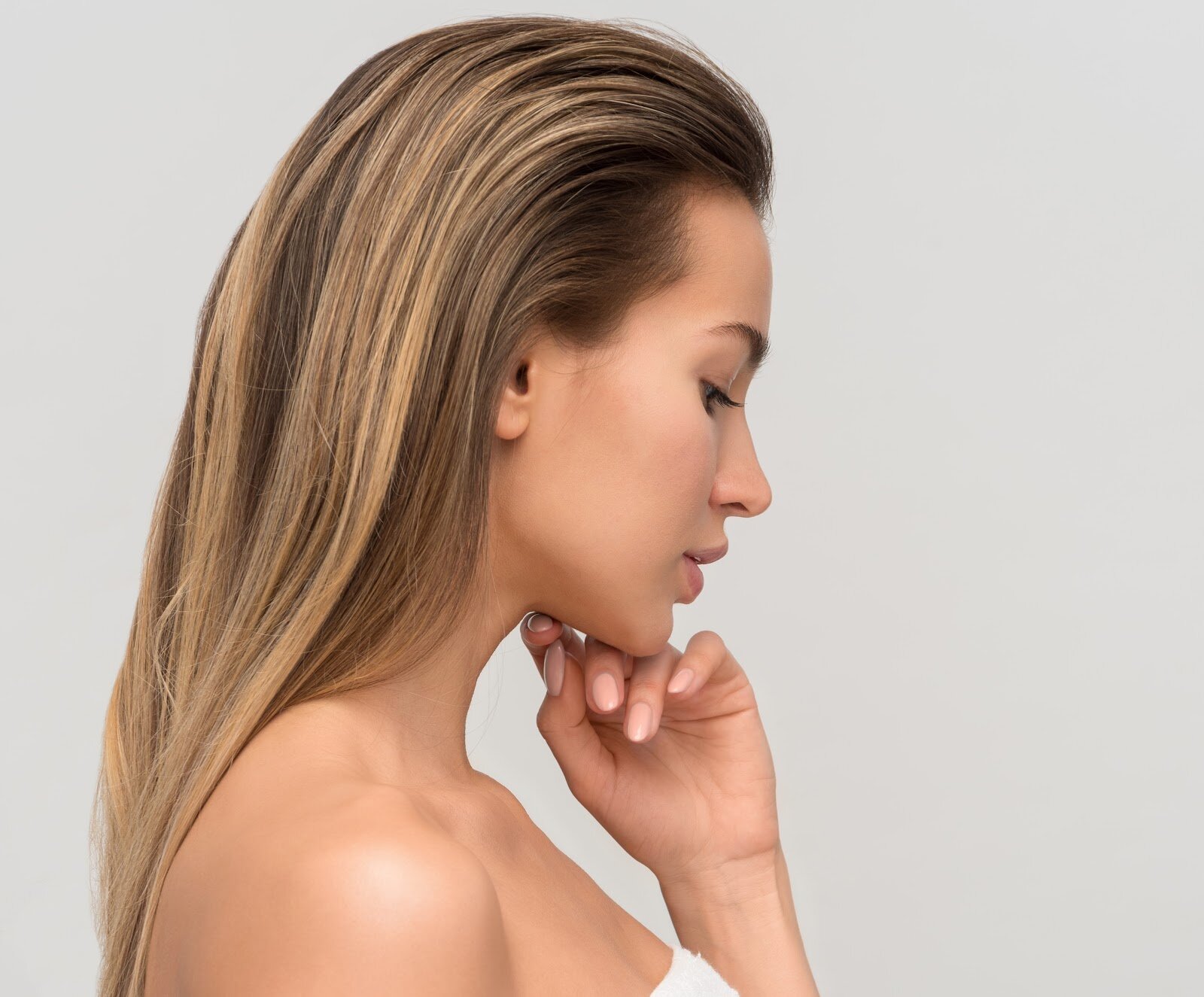
WHAT’S INVOLVED IN THE AFTERCARE?
The post-procedure experience is different for everyone. One thing is for certain, however; there will be bruising and swelling. Some people swell and bruise more than others, so don’t be alarmed if you look a bit purple and blue following the procedure. If this is something that you aren’t comfortable in displaying publicly, try to plan the appointment before the weekend or take a day or two off.
Lumps and bumps in the area are also common. These lumps will soften out over time. To make sure everything is looking good and recovering well, your cosmetician will have booked a follow-up appointment a couple of weeks after the procedure to review the area. During this appointment, you can run over any concerns and ask questions about your recovery.
After receiving a dermal filler procedure, self-care is very important. Your injector will give you information about aftercare, and these tips will cover how to manage pain, clean the area, and treat the area. Generally, it is important to keep the area of skin clean (try to avoid heavy creams and makeup while the skin is healing), avoid heat and high temperatures which will irritate the skin and may cause inflammation, avoid touching or rubbing the skin to reduce irritation and swelling, and seek medical assistance if you experience any unusual symptoms. If you’re experiencing some pain, it is best to take paracetamol. Avoid any medication which may impact on your blood—for example, ibuprofen.
Some more specific instructions include:
- Avoid exercise for 24–48 hours
- Avoid direct UV exposure
- Use a soothing, antiseptic cream such as Bepanthen to treat the area
- Sleep on your back for the first few nights to relieve pressure on the area and avoid disturbing the filler
- Do not consume alcohol in the first 24 hours to avoid thinning the blood
- Do not use AHAs, BHAs, Retinol, or Vitamin C for 24 hours after the procedure
- Avoid laser treatments, microdermabrasion, and chemical peels for 2 weeks following the procedure
- If there’s anything you’re unsure about, consult your cosmetic injector
Ready to get the high cheekbones you’ve always wanted? Or the pouty lips you’ve dreamed of? Or the refreshed and awake under eyes you crave? Then dermal filler is your new best friend. If you’ve weighed up all the risks and have done your research to find the right clinic, then there is no reason to be concerned. A new, enhanced you is just a booking away.
GC Skin is Coolangatta’s leading medical spa. Offering a range of treatments—from laser to cosmetic injections—they’ll help you wind the clock back and boost your natural features. Browse through our range of treatments and book an appointment to talk to one of our experts.